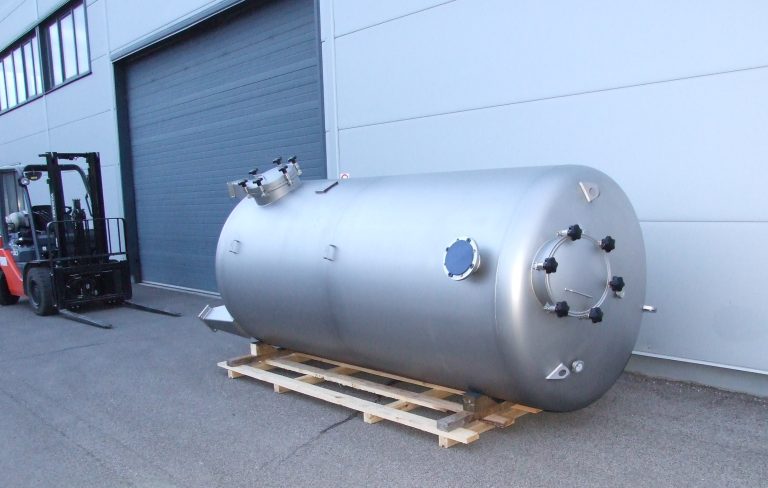
Activated Carbon Filters
Purpose and Operation
Activated carbon filtration provides an effective solution for reducing organic contaminants, chlorine, compounds responsible for undesirable odours and tastes, as well as other substances that may interfere with industrial processes.
Thanks to its exceptionally high surface area, activated carbon offers excellent adsorption capacity. This makes it highly effective for removing a wide range of dissolved substances and improving overall water quality.
What Problems Does It Solve?
Activated carbon filters can be used to reduce, among others:
- organic contaminants,
- chlorine,
- odour-causing compounds,
- taste-causing compounds,
- selected dissolved substances that may interfere with industrial processes.
The selection of the appropriate activated carbon media and system configuration always depends on the composition of the water to be treated, the operating conditions, and the required water quality.
Applications
Activated carbon filtration is widely used in industrial processes and water treatment applications.
Typical Applications:
Industrial Water Treatment
Municipal Water Treatment Systems
Brewery Process Applications
Food Processing Applications
Polishing Stages in Wastewater Treatment Processes
Improvement of Process Water Quality
Contact Us About Pressure Filters!
Customizable System Design
Our activated carbon filtration systems feature a modular design, allowing seamless integration into a wide range of industrial processes. The system configuration can be tailored to the specific application and the required water quality.
The following features can be customized, among others:
- vessel size,
- activated carbon media,
- valve and fitting configuration,
- instrumentation,
- control system,
- backwash and rinsing cycle configuration.
System Design and Material Options
The systems are available with either manual or automatic backwashing. Backwash and rinsing cycles can be individually configured to meet the specific requirements of the application.
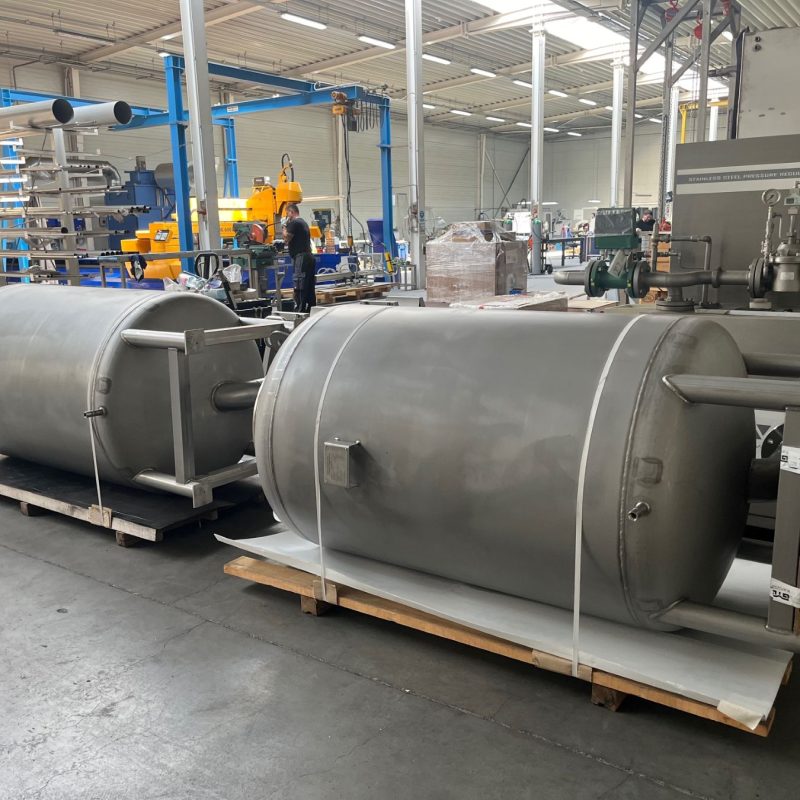
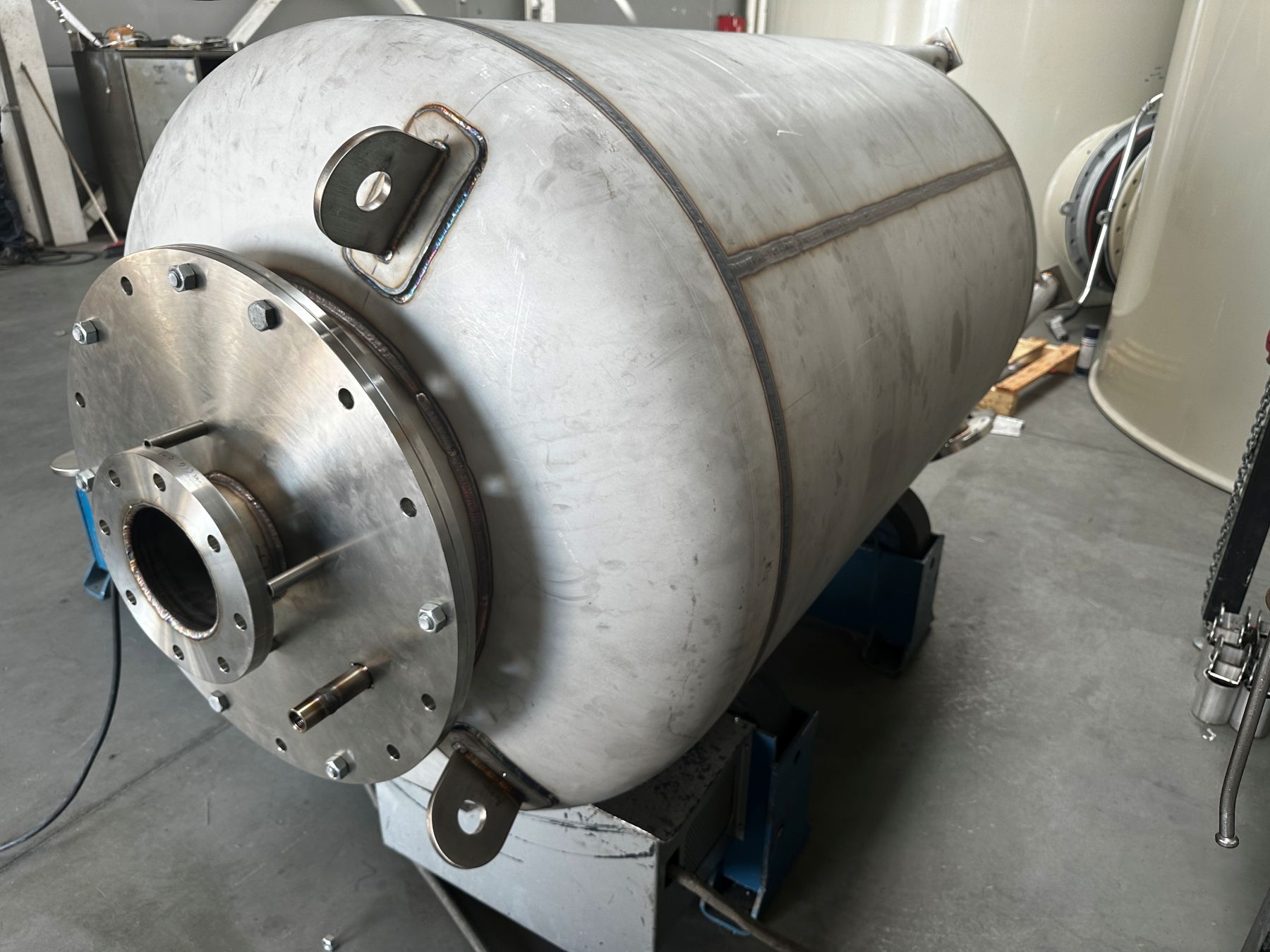
The filter vessels are manufactured from corrosion-resistant stainless steel in 304L or 316L grades, depending on the operating environment. Where required, the systems can also be supplied with a CIP (Clean-in-Place) design, enabling hygienic operation and efficient cleaning and sanitization without dismantling the equipment.
The corrosion-resistant construction and customizable system configuration ensure reliable long-term performance in demanding industrial environments.